
Florida Ranks Second in U.S. In Sports Tourism Performance
 Sports ETA, the trade association for the sports events and tourism industry, released its 2026 State of the Industry Report at its annual Symposium, in Las Vegas, April 22, marking a defining moment for the sector with the first-ever unified analysis of both participatory and spectator sports tourism.
The report reveals that sports tourism has evolved into a $274.5 billion total economic impact industry, generating $111.2 billion in direct spending, supporting 1.6 million jobs, and producing $20.5 billion in state and local tax revenue nationwide. In total, 339 million sports travelers generated 124.3 million room nights, reinforcing the industry’s role as one of the most powerful and reliable drivers of economic development in the United States.
The report also identifies leading states in sports tourism performance, including Florida ranking second in economic impact generated by the participatory and spectator sports tourism sector in 2025. Other top-ranked states include Texas, California, Pennsylvania, Ohio, New York, Georgia, Illinois, and North Carolina, reflecting strong infrastructure, population scale, and the ability to host both participatory and spectator events.
With the recent release by Sports ETA, it reinforces an Op-Ed piece written by Florida A&M student Kennedy Richardson for her Strategic Communications course in a media kit for a nonprofit organization. She chose the Florida Sports Foundation because she aspires to work in community engagement and nonprofit initiatives within the sports industry.
Investing in sports tourism strengthens Florida’s economy and communities
By Kennedy Richardson
Florida is known for its beaches, theme parks and warm weather. Yet another industry continues to drive the state’s economy and strengthen communities across Florida: sports tourism.
Youth tournaments, amateur competitions, collegiate championships and professional sporting events bring millions of visitors to Florida each year. Sports tourism has become a major contributor to the state’s economic growth.
Florida’s sports tourism industry generates approximately $146.5 billion in economic activity and supports nearly 978,200 jobs across the state, according to a survey conducted by Tourism Economics for the 2019/20 and 202021 fiscal years. This highlights the growing importance of sports tourism, not only for entertainment, but as a key economic development strategy.
Organizations such as the Florida Sports Foundation play an important role in supporting that growth. As the official sports promotion and development organization for the state, the Foundation works with local communities, sports commissions and event organizers to attract sporting events that benefit both athletes and local economies in Florida.
When communities host sporting events, the impact goes beyond the playing field. Families travel to watch their children compete, stay at local hotels and explore the host city during their stay. These events help generate revenue for small businesses and create long-term tourism opportunities for local communities.
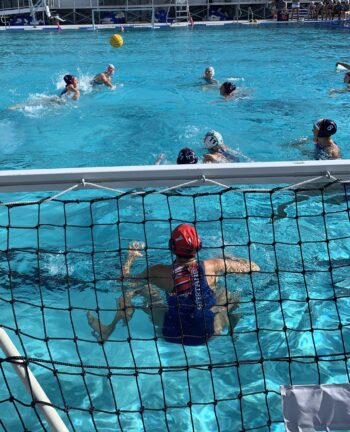 Sports also bring people together. Youth tournaments provide opportunities for young athletes to develop skills, build friendships and experience competitions that encourage people of all ages to stay active and participate in recreational activities.
Beyond the economic impact, sports tourism also enhances the quality of life for Florida residents and visitors. Sporting events give families the opportunity to spend time together, create memories and participate in new activities they may not otherwise take part in.
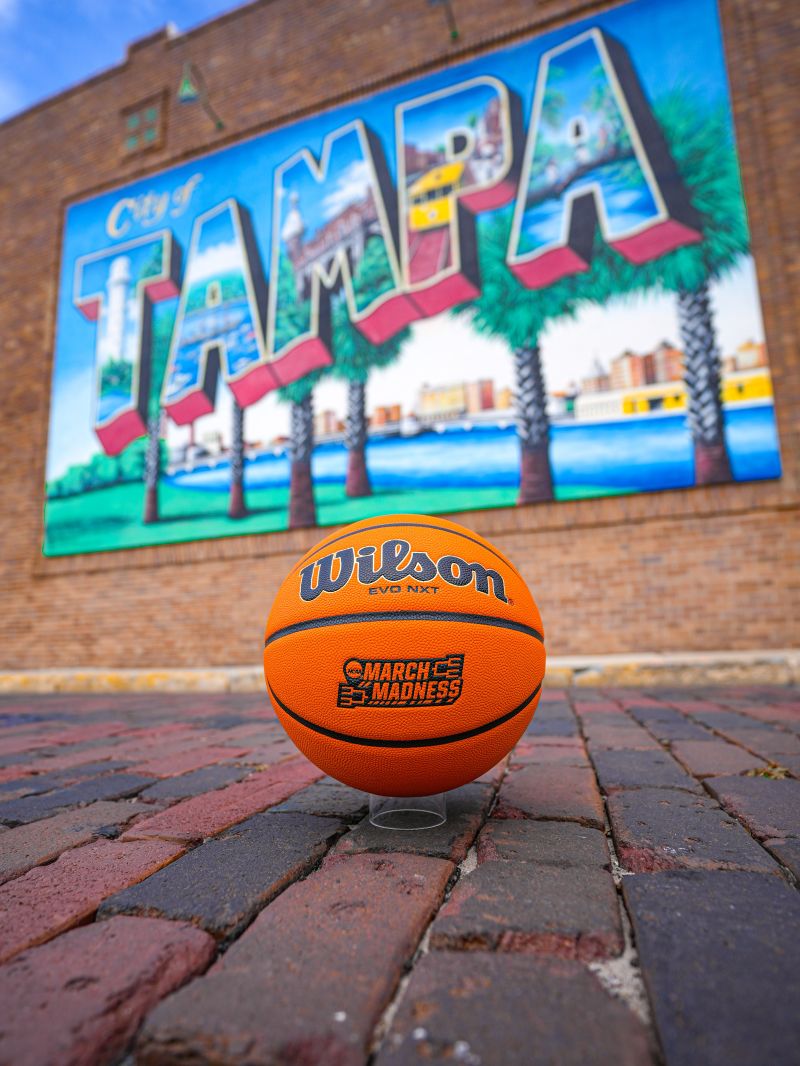
Many facilities, such as the Florida Spring Training parks, are used year-round for community events, youth programs and gatherings. Major events like the Women’s Final Four in Tampa also include outreach initiatives, while events such as the SEC Women’s Soccer Championships in Pensacola host youth days and invite local teams to attend and engage. These are moments that bring connect and community to host cities.
Programs such as the Sunshine State Games, an Olympic-style sports festival for amateur athletes of all ages, and the Florida Senior Games, for athletes age 50 and over, show how sports can inspire participation in community engagement. The games allow athletes of all skill levels to compete while promoting physical fitness and healthy lifestyles.
The Florida Sports Foundation also administers grants allowing local organizers to host tournaments and competitions to generate tourism, revenue and increase national visibility for the communities.
Without the continued investment in sports tourism, Florida risks losing valuable opportunities to other states that are aggressively pursuing sporting events. Communities across the country recognize the economic benefits associated with sports tourism and are investing in facilities and partnerships to attract major competitions.
Maintaining Florida’s leadership in the sports industry requires collaborating with state leaders, local governments and organizations such as the Florida Sports Foundation. Investments in sports facilities for youth programs and event partnerships will help ensure that Florida remains a premier destination for athletes and spectators.
Sports tourism also creates opportunities for the next generation of sports professionals. Students interested in fields like sports communications, marketing and event operations benefit when they have access to live athletic events.
Ultimately, investing in sports tourism means investing in communities. Sporting events bring people together, promote healthy living and create economic opportunities for residents and businesses throughout Florida.
Florida is a national leader in the sports industry. By continuing to support sporting events and programs that attract athletes and victors, the state can strengthen its economy, support local communities and inspire future generations of athletes and sports professionals.
Kennedy Richardson is a public relations student at Florida A&M University. She is interested in community engagement, using sports as a tool to support and create resources for underserved communities.